
Yahara Grains
An initiative in the Department of Agricultural & Applied
Economics, uses a market-based approach to conservation that provides
consumers an opportunity to help keep our lakes clean while also supporting
local farmers and food businesses
Phosphorus, Water Quality, and Ag Conservation Practices
The Challenge
- Current agricultural production systems and practices within the Yahara Watershed can result in phosphorus loss to nearby surface water (Learn More)
- This phosphorus loss can be harmful to the health and water quality of the Yahara lakes (Learn More)
- Reducing this phosphorous loss could help keep the Yahara lakes clean, but changing the current agricultural production systems and practices in the watershed is challenging
Current Strategies
- Since people believe that keeping the Yahara lakes clean is important, there is strong support for agricultural conservation practices that result in less phosphorus loss (Learn More)
- Conventional approaches used to help incentivize farmers to adopt these agricultural conservation practices include the distribution of with cost-share funding (i.e., financial assistance) to help minimize the financial burden and potential economic risks associated with their adoption
- The primary funding sources for this cost-share funding include payments from government programs and grants, and payments from organizations who request financial donations from sponsoring businesses and citizens
The Disconnect
- This funding and incentivization model has created a disconnect between the rural farmers who receive cost-share payments to implement these agricultural conservation practices and the more urban public who are the primary contributors of the financial resources that support the cost-share funding
- Under this model, consumers are expected to support an intangible agricultural practice (e.g., cover crops, no-till farming, buffer strips, etc.) with very little understanding of its on-farm adoption, impact, and outcomes. It can be very difficult to translate the tangible value that results from implementing a practice such as cover crops to urban consumers who are expected to financially support its adoption and implementation under this model


A Potential Market-Based Solution
An alternative model that could potentially better communicate the intrinsic value of these intangible agricultural conservation practices is the creation of tangible consumer-facing products. These products could be used to more effectively translate the direct benefits of these practices to a wider, urban audience while reframing a consumer’s potential conservation support under more of a consumption decision rather than a financial donation.
Small Grains
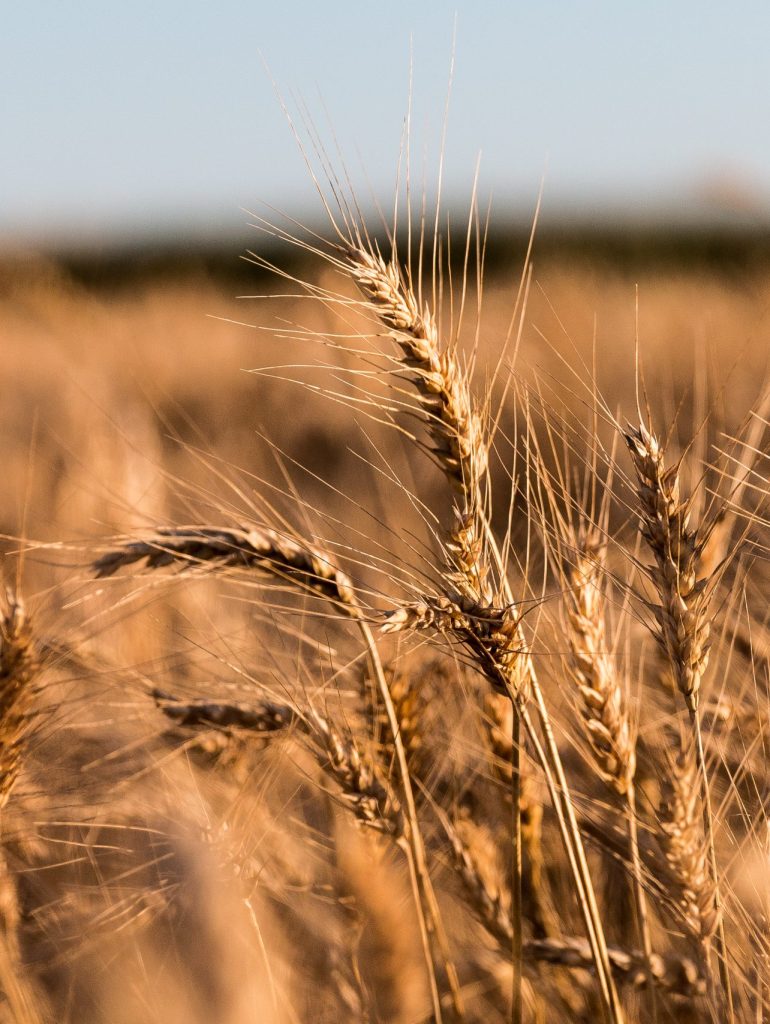
- Adding wheat and other overwintering small grains into a standard corn-soybean rotation has been shown to help reduce phosphorous loss (Learn More)
- Unfortunately, farmers who plant a corn-soybean rotation, including those in the Yahara watershed, do not often plant wheat or other overwintering small grains for a variety of reasons
- To incentivize farmers in the Yahara watershed to plant these crops, markets must be developed and market prices need to be sufficient to compete with corn and soybeans (Learn More)
Creating Demand
- The development of market channels for food and beverage products that contain these overwintering small grain crops as ingredients could help develop markets and reinforce consumer demand for the products that use these ingredients.
- Since people care about keeping our lakes clean, there are likely segments of consumers who would be interested in purchasing these food and beverage products and willing to pay a premium price for them given the corresponding conservation outcomes resulting from their ingredients.
- This market-based model allows for existing and familiar behaviors for farmers, who produce a tangible and marketable crop, and consumers, who engage in common everyday purchasing decisions.
Conservation Through Consumption
- The potential market pull resulting from these food and beverage products could reinforce their positioning in the marketplace while supporting the premium prices for their ingredients
- The added value premium derived from the ingredients in these products could then shift towards upstream stages of the supply chain to eventually create more stability and sufficient market prices for these corresponding crops
- In turn, this certainty in the marketplace could help encourage farmers within the Yahara watershed to plant more wheat and other overwintering small grains

- If realized, planting more wheat and overwintering small grains, especially on targeted and susceptible acres within the Yahara watershed, could help keep the Yahara lakes clean
Be a Part of Change
Whether you’re a farmer, business owner or resident, you can take part in restoring the Yahara watershed.